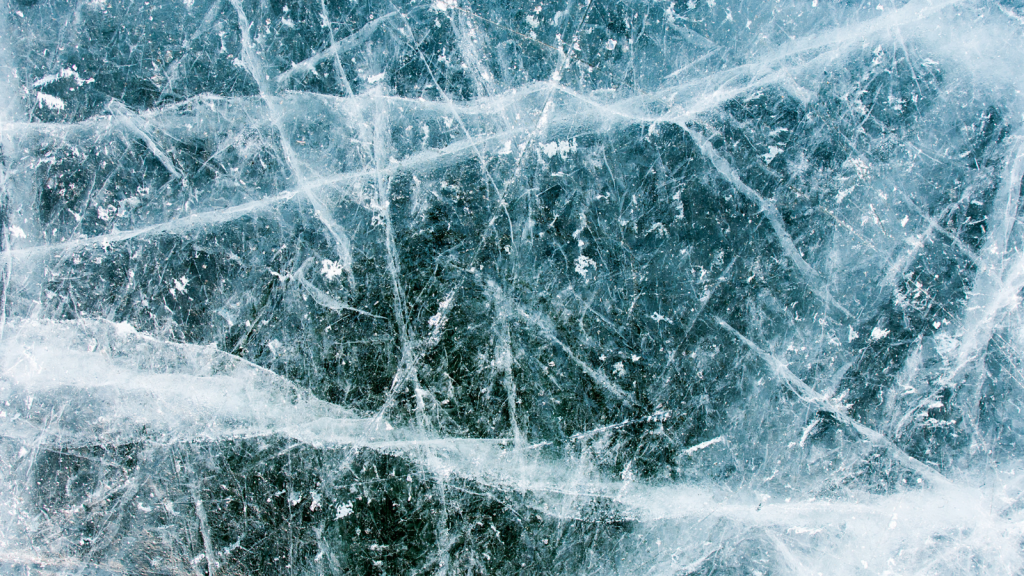
Each year, as the temperature cools and the winter months arrive, ice covers on lakes, ponds and canals threaten to significantly disrupt water quality and potentially damage structures submerged in water bodies. Leading to several non-negligible impacts on ecosystem dynamics and human life. This article discusses the negative impact of ice formation on waterways and how winter aeration is a necessary and effective preventative measure.
So, why is Ice Formation a Problem for Waterways in Winter?
The Effect on Water Quality
Nutrient Disturbances
Ice cover influences nutrient cycling, as ice formation pushes most nutrients and salts into the underlying water. This causes an increase in nutrient concentration, with salts such as nitrogen and phosphorus increasing substantially. Nitrogen and phosphate are essential for the growth of blue-green algae. Research shows a positive correlation between periods of ice cover and cyanobacteria growth in the summer. When ice melts, the cyanobacteria have increased access to sunlight.
Light Penetration
Thick ice cover can also have a detrimental effect on light penetration and reduce light penetration into the water column. Subsequently, this can affect photosynthesis in aquatic plants as the limited access to sunlight means that autotrophic activity is impacted. When photosynthesis is reduced, oxygen levels deplete within the water, which are needed for marine species health (i.e. fish), leading to fish kills, marine stress and habitat disruptions.
Low Dissolved Oxygen (DO)
Dissolved oxygen in our lakes, canals and ponds is an essential resource that helps to maintain water quality and biodiversity. DO dictates ecological habitats, rates of redox reactions, and the processing of organic material within the water column. However, ice and snow cover affect the balance between oxygen production and depletion when compared to open-water periods. Both ice formation and snow cover limit gas exchange with the atmosphere, reducing re-oxygenation of the water. With studies showing that when under ice cover, ponds exhibit fully anoxic or hypoxic oxygen profiles. Poor oxygen levels can lead to anoxic conditions, winter kills, species displacement and reduced photosynthesis.
Greenhouse Gas Accumulation
During ice-on periods, greenhouse gases (methane) can build up within waterbodies such as ponds. Methane levels under ice are significantly higher than in summer and are caused by the limited exchange of gases with the atmosphere and the continuing decay of organic matter. The build up of these potent greenhouse gases in the water column also leads to marine life stress and ecosystem disruption. And when the ice melts, these gases are released in pulses and contribute to carbon emissions.
The Effect on Submerged Structures
Ice cover on rivers alters the flow of water beneath it, which can threaten infrastructure safety by increasing the risk of damage to structures such as spur dikes and by intensifying local scour around bridge foundations. Did you know that in 1990, a bridge over the White River Junction, Vermont, collapsed due to scour under ice? And that rough ice-covered flow leads to additional scour, deeper sediment erosion, stronger turbulence and higher forces on structures – leading to excessive repairs and maintenance needs.
How ISS Flowthrough Water Aeration and Mixing Prevents Ice Formation
Winter aeration during colder months promotes continuous agitation of the water column, which disrupts ice formation and allows sufficient gas exchange. As a result, water quality is maintained, and negative effects such as oxygen depletion and harmful gas buildup are reduced. Additionally, winter aeration benefits overall aquatic ecosystem health by promoting biodiversity, maintaining water quality even during the winter months and protecting aquatic habitats.
Our bespoke winter aeration systems offer an innovative and tailored approach to ice-cover-related issues. Find out more about our water aeration systems: Aeration for Water Treatment | ISS Flowthrough
Fancy A little Extra Reading? See Our References below:
Dissolved Oxygen in Ice-Covered Lakes | Springer Nature Link (formerly SpringerLink)
Glossary
Water aeration: Adding oxygen to water or increasing water–air contact to improve water quality.
Local scour: Erosion of sediment that occurs directly around a structure in flowing water.
Nutrient cycling: The movement and reuse of nutrients (such as nitrogen and phosphorus) within an ecosystem.
Water column: The vertical section of water from the surface to the bottom.
Spur dikes: Structures that extend from a riverbank into the flow to control water movement and protect banks.