What are Harmful Algal Blooms?
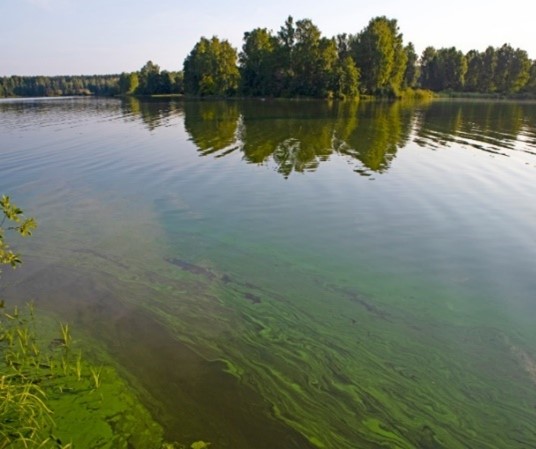
Harmful algal blooms (HABs) occur when certain algae or cyanobacteria rapidly overgrow in water bodies such as lakes, ponds, or canals. Blue-green algae, also known as cyanobacteria, are the most common HABs and are typically found in freshwater
When conditions are favourable, such as increased access to nutrients, warmth, sunlight, and stagnant waters, these algae proliferate rapidly. Harmful algal blooms produce toxins that are harmful to humans, domesticated animals, aquatic life, and wildlife. While HABs are most associated with the summer months, they can occur at any time of the year.
What are the Dangers of HABs to Aquatic Life and Wildlife?
Harmful algal blooms can disrupt aquatic ecosystems and food chains as well as have numerous health effects on aquatic life and wildlife. In many cases, animals exposed to the toxins that HABs produce can become severely ill or die. Prolonged HABs can lead to biodiversity loss, altering habitats and impacting dependent species and the food chain.
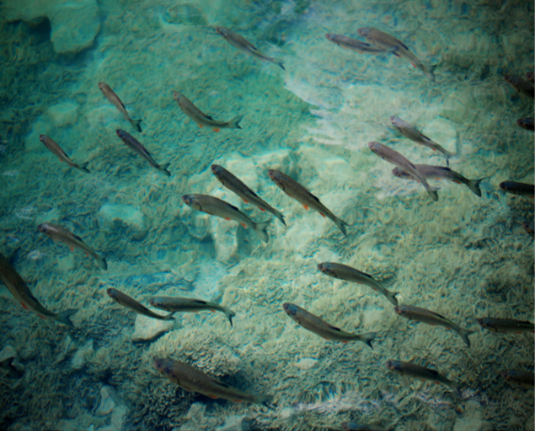
Fish and Aquatic Animals:
HABs are known to cause fish kills, the sudden and mass death of fish in a localised area. They severely impact aquatic ecosystems and trigger oxygen depletion in the water body. The lack of readily available oxygen for the fish leading them to die.
The toxins that HABs produce can also lead to fish exhibiting erratic behaviours, paralysis and gill failure. In particular, the cyanotoxins (microcystins) produced by blue-green algae, hinder fish immune function, organ function and various homeostatic mechanisms.
Birds and Marine animals:
The toxins produced by the harmful algal blooms also pose a serious risk for birds and marine animals. The Ingestion of contaminated fish or the inhalation of aerosolised algal toxins causing animals to develop toxicosis and become severely unwell.
Signs that birds and marine animals have been affected by cyanotoxins include difficulty breathing, paralysis and mortality.
Amphibian and Terrestrial Wildlife:
For amphibians, direct skin absorption and ingestion of algal toxins can cause severe skin irritation, organ damage, and death. Overgrowth of HABs can degrade habitats and alter physical environments, impairing their survival and development. Terrestrial wildlife can be affected through contaminated drinking water or prey, leading to liver damage and neurotoxicity. Bioaccumulation of toxins in prey species can result in secondary poisoning of predators, reducing food availability and causing ecosystem disruption.
Are HABs harmful to Domesticated Animals?
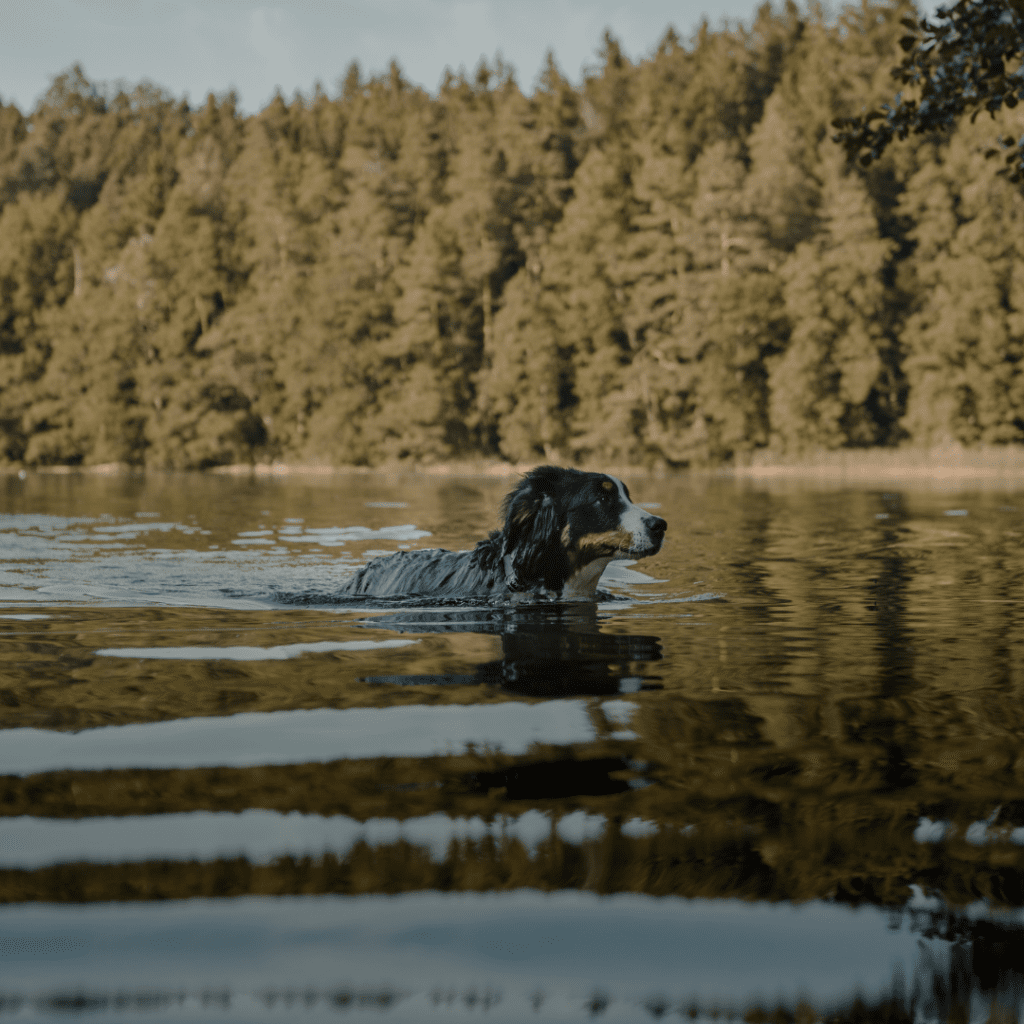
Yes, harmful algal blooms are dangerous to domesticated animals, and can be fatal. Dogs are particularly at risk when encountering contaminated waters. They can encounter cyanotoxins in the following ways.
- Drinking Contaminated Water
- Licking their fur
- Eating contaminated prey species
It is important to recognise the signs and symptoms of cyanotoxin poisoning in pets and to seek help from a veterinarian as soon as possible.
Remember, HABs makes humans unwell too! Contact your local GP if you feel you have been affected by harmful algal blooms.
Can Harmful Algal blooms be Treated?
Yes! Harmful algal blooms can be effectively treated through the implementation of water aeration systems. This system works by introducing oxygen into the water, creating a less favourable environment for the growth of HABs. The increased oxygen levels encourage the growth of beneficial bacteria that can outcompete the algae, helping restore the natural balance of the aquatic system.
Regularly monitoring water quality, reducing nutrient inputs and promoting proper water circulation in combination with aeration can further enhance the effectiveness of managing and preventing blue-green algae issues in freshwater bodies.
ISS Flowthrough can offer a unique aeration system through the use of a patented air-flow regulation process that allows many diffusers to be operated from a single narrow-bore airline.