
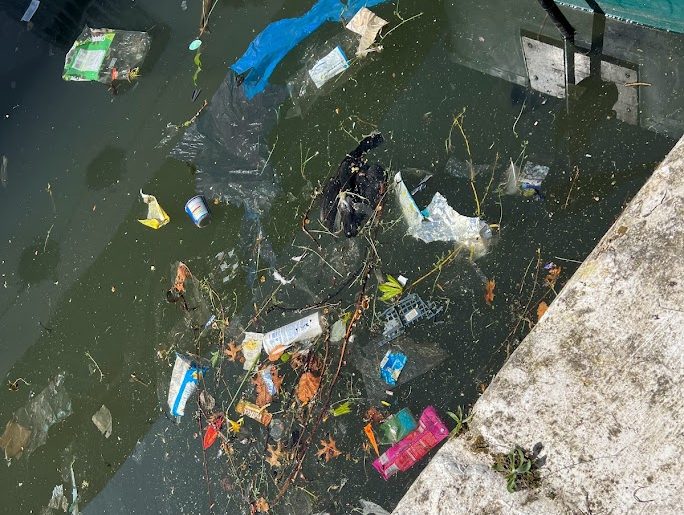
When discussing plastic pollution, our rivers play a pivotal yet often overlooked role. The ocean is often associated with detrimental statistics on plastic waste. However, studies have shed light on the significant contribution of rivers to this global environmental crisis.
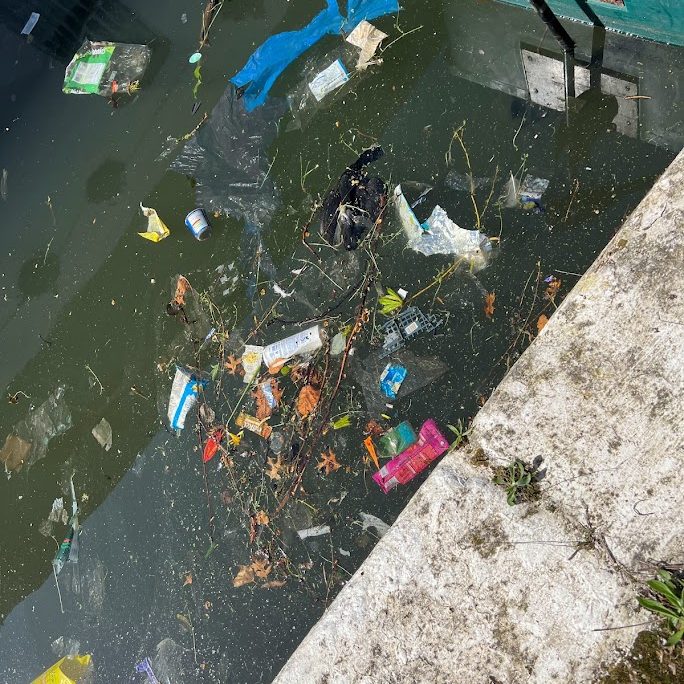
River Plastics
River plastic pollution originates from various sources, with mismanaged waste disposal and littering being primary contributors, particularly in industrialised nations. Despite significant efforts in waste collection, less than 10% of the plastic ever produced is recycled. This leaves the remainder destined for incineration or landfill. Unfortunately, not all plastic remains contained within landfill sites, as wind and weather can transport it to nearby rivers. Moreover, buried plastic in landfills can leach toxic chemicals into the soil and groundwater, further exacerbating the problem.
Previously, it was believed that only a few large rivers were responsible for the majority of plastic reaching our oceans. However, recent research has revealed a more widespread problem, with plastic entering oceans from over 1,000 small and medium-sized rivers. This underscores the urgent need to address plastic pollution at its source and emphasizes the critical role of river cleanup initiatives.


ISS Flowthrough Bubble Barriers for Riverine Plastic
Every minute, the equivalent of one rubbish truck full of plastic reaches our oceans. Plastic bags, bottles, and food containers are among the most commonly found items in our waterways.
Enter ISS Flowthrough and our innovative bubble barrier technology—a ground breaking solution in the fight against riverine plastic pollution. A bubble barrier creates a curtain of bubbles using a single narrow bore airline, effectively blocking and diverting plastic waste as it flows downstream. This technology not only prevents plastic from reaching our oceans but also aids in river clean up efforts by trapping plastic waste for removal and proper disposal.
Riverine plastic pollution is a complex and far-reaching environmental challenge that demands immediate action. By understanding the sources and pathways of plastic pollution, we can implement effective solutions to safeguard our rivers and oceans for future generations. View the other uses for ISS Flowthrough bubble barriers on our main page.
Comments are closed